A pet vaccination record should clearly show which vaccines your pet has received, when they were given, who administered them and when the next veterinary review or vaccination may be due. Keeping certificates and vaccination history organised helps your veterinary team understand previous protection, supports continuity of care and can provide evidence of vaccination when required for travel, boarding or other services.
Feeding your pet well means providing food that meets the nutritional needs of their species, life stage and individual circumstances — in appropriate amounts and alongside suitable access to water.
The right amount to feed your pet is not simply the number printed on a food packet. Feeding guides and calorie calculations are useful starting points, but individual requirements vary.
Grooming is often associated with brushing a dog's coat or taking a pet to a professional groomer. In reality, it is a much broader part of animal care.
Caring for a pet involves dozens of small decisions every day. When should they eat? Have they had enough exercise? Is their water fresh? Did they receive their medication? Has anything changed in their behaviour?
Leaving your pet in someone else's care is a significant decision. Whether you are travelling for a weekend, working long hours or arranging support during an unexpected absence, you need confidence that your pet will remain safe, comfortable and appropriately cared for.
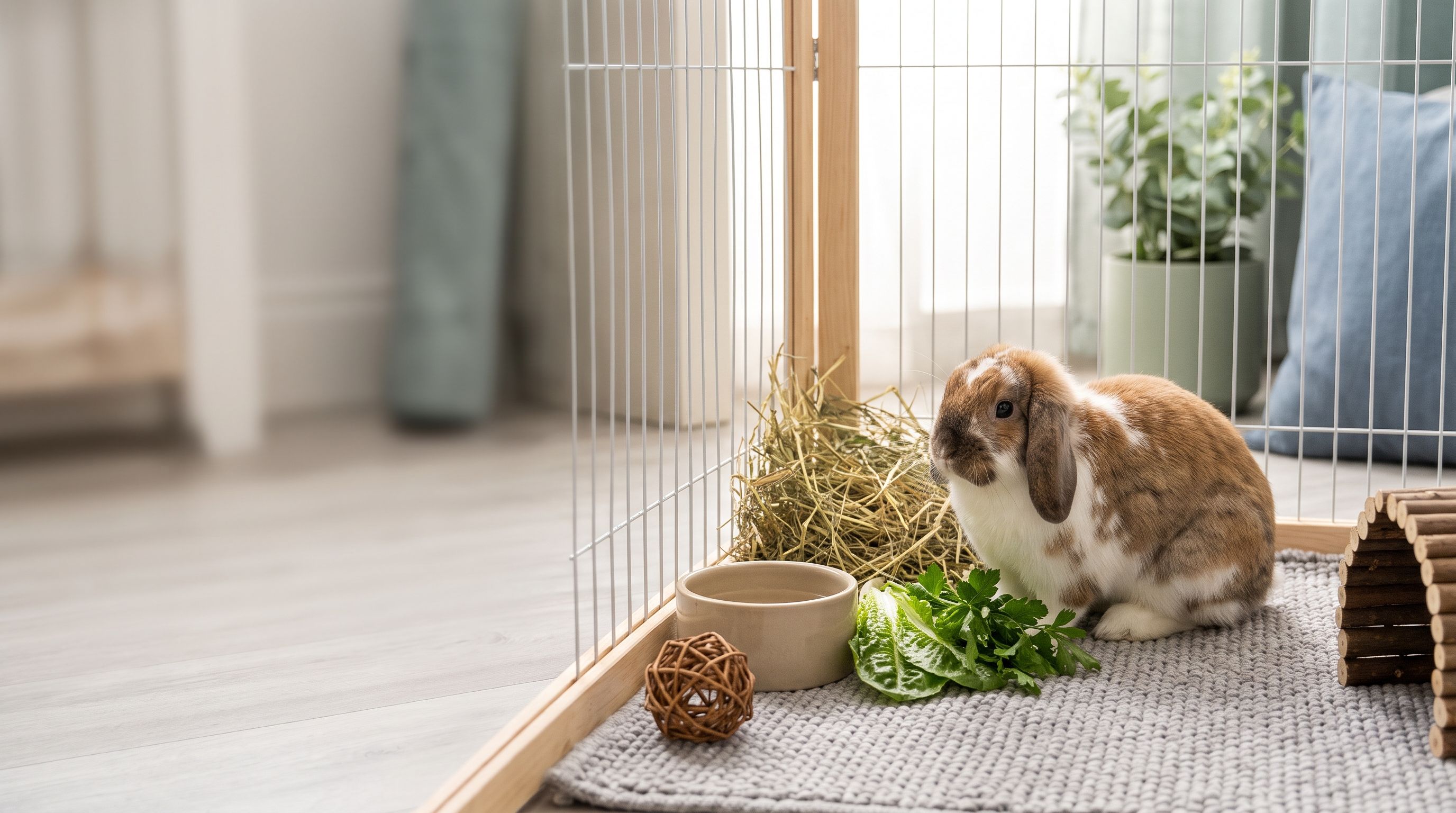
Rabbit vaccination recommendations depend on the country, local disease risk, available vaccines, the rabbit's age and previous vaccination history. In the UK, rabbits are routinely protected against myxomatosis, rabbit viral haemorrhagic disease type 1 (RVHD1) and rabbit viral haemorrhagic disease type 2 (RVHD2). Current UK rabbit-welfare guidance also recommends additional protection against newly recognised highly virulent RVHD2 strains using an additional vaccine alongside the established combined vaccine. Indoor rabbits still need veterinary vaccination advice because these diseases can spread indirectly through insects, contaminated objects, clothing, shoes and contact with infected rabbits or environments.
Living with an animal means learning to understand how they communicate, respond to their environment and develop new habits. Sometimes that process is straightforward. At other times, guardians need professional guidance.
Flying with a pet can make international relocation, family travel or a long-distance journey possible. But it is also one of the more complicated ways to transport an animal.
International pet travel may require identification records, vaccination certificates, veterinary health certificates, laboratory test results, import or export permits, parasite-treatment records and, in some cases, quarantine arrangements. The exact documents depend on your pet's species, country of origin, destination, transit countries, travel history and purpose of travel. Some countries recognise specific pet passports, while others require official certificates issued or endorsed shortly before departure. Certain birds, reptiles and other regulated species may also need wildlife-trade permits. Always verify the complete itinerary with official government authorities and transport providers, and begin preparations early because some requirements take months to complete.
Whether you're planning a weekend getaway, a road trip or an international move, travelling with a pet involves more than packing a carrier and some food.
Travelling with a rabbit requires careful planning because rabbits are sensitive to stress, overheating, changes in routine and interruptions to eating. Use a secure, well-ventilated carrier with non-slip flooring, provide appropriate hay, maintain a safe temperature and minimise unnecessary handling. Monitor food intake, droppings and behaviour before, during and after the journey. Never deliberately fast a rabbit for travel. For long journeys, international travel or rabbits with medical conditions, consult a rabbit-experienced veterinarian in advance. If your rabbit stops eating or producing droppings, seek urgent veterinary advice.
Travelling with a pet can be a wonderful way to share new experiences. Whether you are planning a weekend away, visiting family, relocating to another country or taking a longer holiday, bringing an animal along adds another dimension to the journey.
If you share your home with a rabbit, parrot, guinea pig, hamster, tortoise or another less commonly kept animal, finding appropriate veterinary care can require more research than finding a clinic for a dog or cat.
1
1KAHU Editorial Team Expert review: Exotic Companion Animal / Zoological Medicine — pending
Choosing a veterinarian is one of the most important decisions you make as a pet guardian. Whether you have recently welcomed a new animal, moved to a different city or decided to change clinics, the right veterinary relationship can influence your pet's health for years.
1
1KAHU Editorial Team Expert review: Veterinary Medicine — pending
Bringing a pet to the veterinarian for the first time is an important step in building a healthy life together. Whether you have welcomed a puppy, adopted an adult cat, brought home two guinea pigs or taken responsibility for a horse, that initial appointment creates an opportunity to understand your animal's health, identify potential concerns and establish a plan for future care.
Rabbit body language is best understood by looking at posture, ears, eyes, movement, facial expression, social behaviour and context together. Rabbits may communicate relaxation by stretching out or resting comfortably, excitement through energetic running and jumping, alarm through thumping or alert posture, and social connection through behaviours such as grooming and resting together.
1
1KAHU Editorial Team Expert reviewed by: Dr [Name], [Exotic/Small-Mammal Veterinary Qualification]
Rabbits can be wonderfully expressive companions, even when their communication is subtle. A relaxed stretch, an enthusiastic approach at feeding time or a quiet moment resting beside a bonded companion can reveal a great deal about how they are feeling.
1
1KAHU Editorial Team Veterinary review: Recommended before publication
For many healthy pets, changing food gradually can reduce digestive upset and make the new diet easier to accept. Instead of replacing the old food completely overnight, introduce the new diet progressively while monitoring appetite, stools or droppings, vomiting, behaviour and weight.
Growing older is a natural part of every animal's life, but ageing does not affect all pets in the same way. A twelve-year-old dog, an eight-year-old rabbit, a twenty-year-old parrot and a senior horse may have very different needs, even when each is considered older for their species.
1
1KAHU Editorial Team Expert reviewed by: Dr [Name], [Veterinary Qualification]
Vi bruker nødvendige informasjonskapsler for å drive 1KAHU og valgfrie kapsler for å forstå bruken av nettstedet og forbedre kommunikasjonen vår.Personvernerklæring
FunksjonelleNødvendig for nettstedets kjernefunksjoner og alltid aktivert.
AnalyseHjelper oss med å forstå bruken av nettstedet og forbedre 1KAHU.
MarkedsføringTillater mer relevante oppdateringer og kampanjer.