Aller au contenu

BLOG 1KAHU

Tout le savoir sur les soins pour animaux en un seul endroit

Recherchez tous les articles ou filtrez la bibliothèque par sujet et par animal pour trouver les conseils dont vous avez besoin.

50 articles trouvés

Effacer les filtres
Pet Vaccination Records: What to Keep and Why They Matter
Health & Wellness

Pet Vaccination Records: What to Keep and Why They Matter

A pet vaccination record should clearly show which vaccines your pet has received, when they were given, who administered them and when the next veterinary review or vaccination may be due. Keeping certificates and vaccination history organised helps your veterinary team understand previous protection, supports continuity of care and can provide evidence of vaccination when required for travel, boarding or other services.

1
1KAHU Editorial Team
Lire l’article
How to Create a Daily Pet Care Routine
Everyday Care

How to Create a Daily Pet Care Routine

Caring for a pet involves dozens of small decisions every day. When should they eat? Have they had enough exercise? Is their water fresh? Did they receive their medication? Has anything changed in their behaviour?

1
1KAHU Editorial Team
Lire l’article
How to Choose a Pet Sitter: The Complete Checklist
Professionals & Services

How to Choose a Pet Sitter: The Complete Checklist

Leaving your pet in someone else's care is a significant decision. Whether you are travelling for a weekend, working long hours or arranging support during an unexpected absence, you need confidence that your pet will remain safe, comfortable and appropriately cared for.

1
1KAHU Editorial Team
Lire l’article
How to Choose a Pet Trainer or Behaviourist
Professionals & Services

How to Choose a Pet Trainer or Behaviourist

Living with an animal means learning to understand how they communicate, respond to their environment and develop new habits. Sometimes that process is straightforward. At other times, guardians need professional guidance.

1
1KAHU Editorial Team
Lire l’article
Horse Vaccinations: A Practical Guide
Health & Wellness

Horse Vaccinations: A Practical Guide

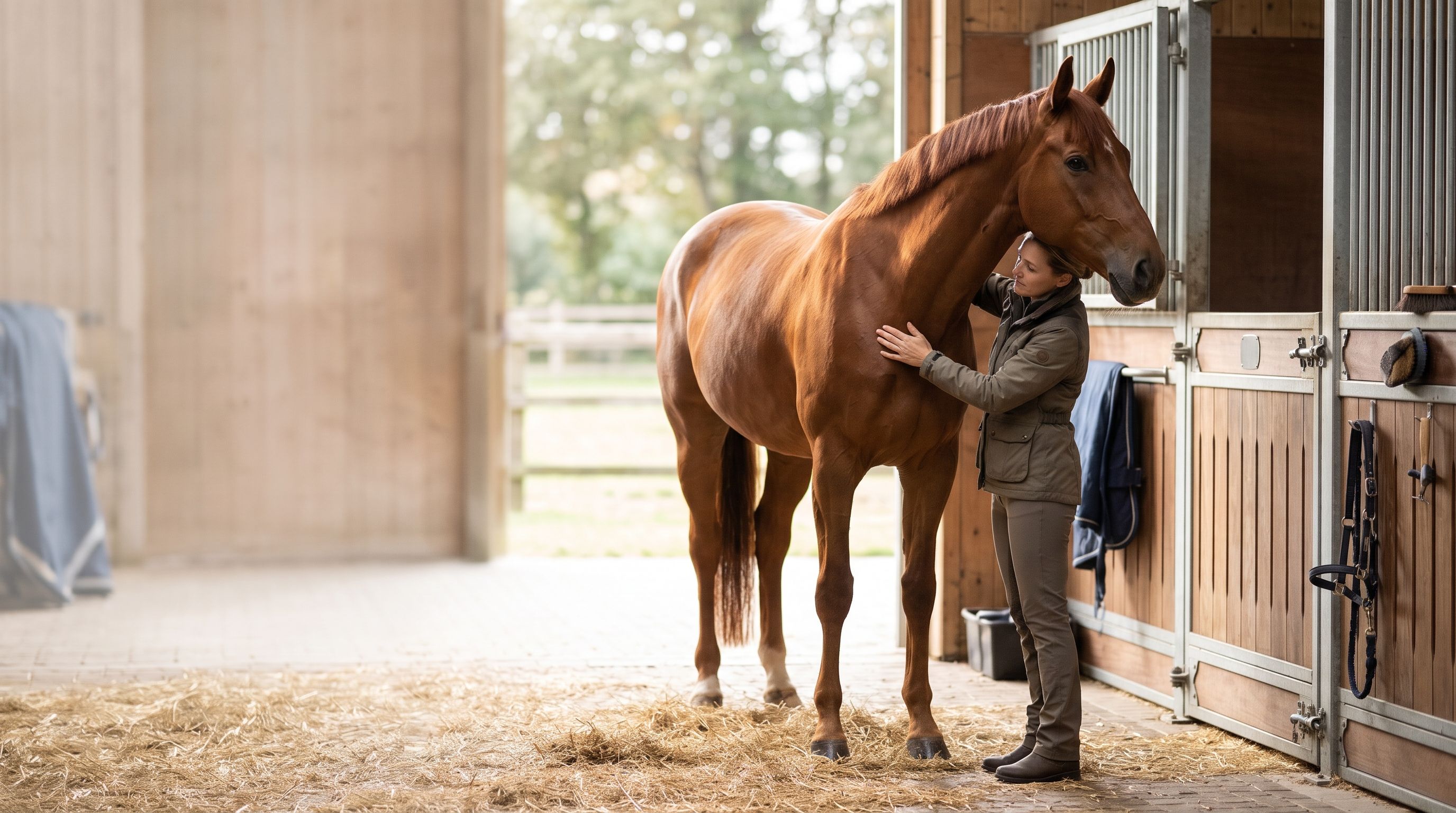
Horses may be vaccinated against serious infectious diseases including tetanus and equine influenza, with additional vaccines recommended according to where the horse lives, travels and competes and their individual exposure risk. In the United States, AAEP classifies tetanus, Eastern and Western equine encephalomyelitis, West Nile virus and rabies as core vaccines, while others are selected according to risk. Vaccination requirements can also differ from veterinary recommendations: competition organisations, racing authorities, breeding facilities, livery yards and international travel rules may impose their own requirements. Your equine veterinarian should therefore create and maintain an individual vaccination plan rather than relying on a universal schedule.

1
1KAHU Editorial Team
Lire l’article
International Pet Travel: What Documents Might You Need?
Travel

International Pet Travel: What Documents Might You Need?

International pet travel may require identification records, vaccination certificates, veterinary health certificates, laboratory test results, import or export permits, parasite-treatment records and, in some cases, quarantine arrangements. The exact documents depend on your pet's species, country of origin, destination, transit countries, travel history and purpose of travel. Some countries recognise specific pet passports, while others require official certificates issued or endorsed shortly before departure. Certain birds, reptiles and other regulated species may also need wildlife-trade permits. Always verify the complete itinerary with official government authorities and transport providers, and begin preparations early because some requirements take months to complete.

1
1KAHU Editorial Team
Lire l’article
Travelling With Pets: The Complete Planning Guide
Travel

Travelling With Pets: The Complete Planning Guide

Travelling with a pet can be a wonderful way to share new experiences. Whether you are planning a weekend away, visiting family, relocating to another country or taking a longer holiday, bringing an animal along adds another dimension to the journey.

1
1KAHU Editorial Team
Lire l’article
What Should You Ask a New Veterinarian?
Professionals & Services

What Should You Ask a New Veterinarian?

Choosing a veterinarian is one of the most important decisions you make as a pet guardian. Whether you have recently welcomed a new animal, moved to a different city or decided to change clinics, the right veterinary relationship can influence your pet's health for years.

1
1KAHU Editorial Team Expert review: Veterinary Medicine — pending
Lire l’article
Your Pet's First Vet Visit: What to Expect
Everyday Care

Your Pet's First Vet Visit: What to Expect

Bringing a pet to the veterinarian for the first time is an important step in building a healthy life together. Whether you have welcomed a puppy, adopted an adult cat, brought home two guinea pigs or taken responsibility for a horse, that initial appointment creates an opportunity to understand your animal's health, identify potential concerns and establish a plan for future care.

1
1KAHU Editorial Team
Lire l’article
Horse Enrichment: Supporting Natural Behaviour and Wellbeing
Behaviour & Training

Horse Enrichment: Supporting Natural Behaviour and Wellbeing

The most meaningful horse enrichment usually begins with the fundamentals of equine life: access to appropriate forage, freedom to move, social interaction with other horses, opportunities to explore and meaningful choice over aspects of the environment.

1
1KAHU Editorial Team Expert reviewed by: Dr [Name], [Equine Veterinary / Behaviour Qualification]
Lire l’article
Horse Nutrition Basics: Forage, Feed and Everyday Management
Nutrition

Horse Nutrition Basics: Forage, Feed and Everyday Management

A healthy horse diet should usually begin with forage and water, not a bag of concentrate feed. Grass, hay, haylage or other suitable forage should form the nutritional foundation for most horses because horses are adapted to consume fibrous food across much of the day. Additional feed may be needed depending on the horse's workload, body condition, life stage, health and the nutritional quality of the forage.

1
1KAHU Editorial Team
Lire l’article
Horse Health Checklist: What to Monitor Regularly
Health & Wellness

Horse Health Checklist: What to Monitor Regularly

A useful horse health check starts with knowing your individual horse's normal. Regularly monitor appetite, water intake, manure and urination, behaviour, weight and body condition, coat and skin, eyes and nose, breathing, legs, hooves, movement and performance. Learn how to measure your horse's resting temperature, pulse and respiration so you have a reliable baseline to compare against when something changes. Keep veterinary, vaccination, dental, parasite-control and farrier records together. Contact your veterinarian when changes persist or concern you, and seek urgent veterinary advice for signs such as severe or persistent abdominal pain, difficulty breathing, major injury or bleeding, inability to bear weight, severe weakness or collapse, neurological abnormalities or rapid deterioration.

1
1KAHU Editorial Team
Lire l’article
Changing Your Pet's Food: How to Transition Diets Safely
Nutrition

Changing Your Pet's Food: How to Transition Diets Safely

For many healthy pets, changing food gradually can reduce digestive upset and make the new diet easier to accept. Instead of replacing the old food completely overnight, introduce the new diet progressively while monitoring appetite, stools or droppings, vomiting, behaviour and weight.

1
1KAHU Editorial Team
Lire l’article
Senior Pet Care: How Needs Change With Age
Life Stages

Senior Pet Care: How Needs Change With Age

Growing older is a natural part of every animal's life, but ageing does not affect all pets in the same way. A twelve-year-old dog, an eight-year-old rabbit, a twenty-year-old parrot and a senior horse may have very different needs, even when each is considered older for their species.

1
1KAHU Editorial Team Expert reviewed by: Dr [Name], [Veterinary Qualification]
Lire l’article
Pet Enrichment: Why Mental Stimulation Matters
Behaviour & Training

Pet Enrichment: Why Mental Stimulation Matters

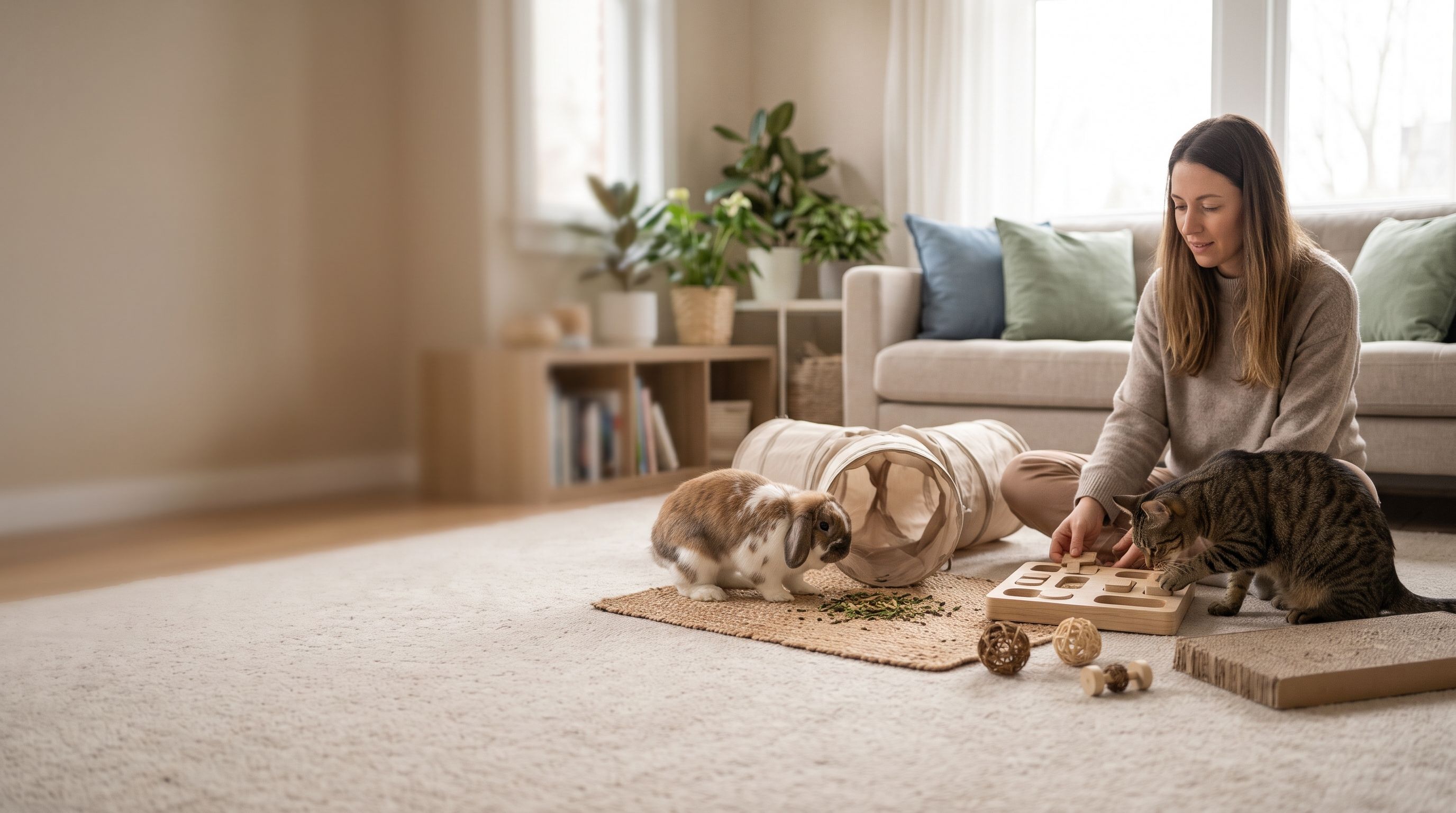
Pet enrichment is the deliberate creation of opportunities for animals to express important natural behaviours and engage meaningfully with their environment. Depending on the species, that might involve foraging, sniffing, digging, climbing, hiding, chewing, hunting-like play, training, exploring, bathing, flying, social interaction or simply being able to choose where to rest.

1
1KAHU Editorial Team Expert reviewed by: Dr [Name], [Veterinary Behaviour / Animal Welfare Qualification]
Lire l’article