
AI & Pet Technology
Can AI Help With Pet Health? Benefits, Limitations and Safety
When a pet develops an unusual symptom, guardians naturally want answers.
1
1KAHU Editorial Team

1KAHU BLOG
Search all articles or narrow the library by topic and pet to find the guidance you need.
9 articles found
Clear filtersWhen a pet develops an unusual symptom, guardians naturally want answers.
Artificial intelligence is becoming part of everyday life, and pet care is beginning to change alongside it.
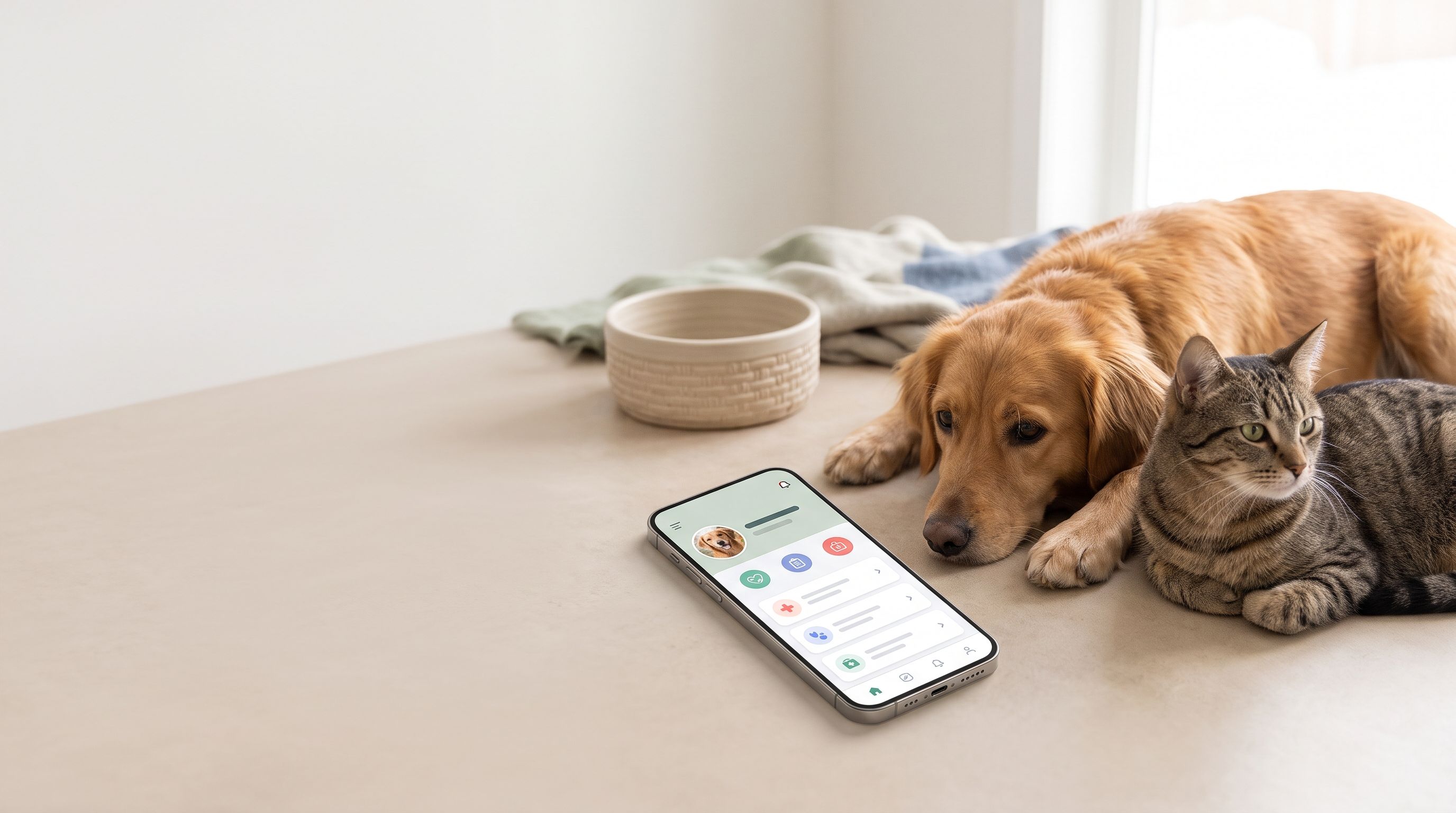
A digital pet passport is a digital profile that brings together important information about a pet, such as identity details, microchip information, vaccinations, medical history, medications, veterinary contacts, insurance and travel documents. It can make records easier to organise, update and share with trusted carers or professionals. However, the term “digital pet passport” is not the same as an official pet passport used for international travel. Travel requirements depend on the destination, species, country of residence and journey, and authorities may require specific original passports, health certificates or other official documentation. A digital record should therefore complement—not replace—legally required travel documents unless the relevant authority explicitly recognises it.
Your pet's medical history tells an important story.
Your pet's health history is one of the most valuable collections of information you can maintain.
A genuinely all-in-one pet care app should do more than store reminders. It should give every pet an individual profile that connects health records, vaccinations, medications, appointments, everyday care, professionals, documents and shared family access. The strongest platforms should also make information easy to share, support multiple species, protect personal data and use AI as a support layer rather than a replacement for veterinary professionals.
An AI pet assistant is a digital tool that uses artificial intelligence to help guardians organise and understand information about their pets and support everyday care. Depending on the system, it may answer pet-care questions, organise health records, explain veterinary information, identify patterns in information you record, manage reminders, help prepare for appointments and indicate when veterinary advice may be appropriate. AI can make pet care easier to navigate, but it cannot physically examine your pet, reliably diagnose every health problem or replace a veterinarian. The safest AI pet assistants are transparent about these limits, use species-specific and individual context, protect personal and pet data, and escalate appropriately when an animal may need professional care.
Your dog has started limping. Your cat seems unusually quiet. Your rabbit has barely touched its food.
Caring for a pet involves much more than occasional veterinary appointments.