1KAHU BLOG
Pet care knowledge, all in one place
Search all articles or narrow the library by topic and pet to find the guidance you need.
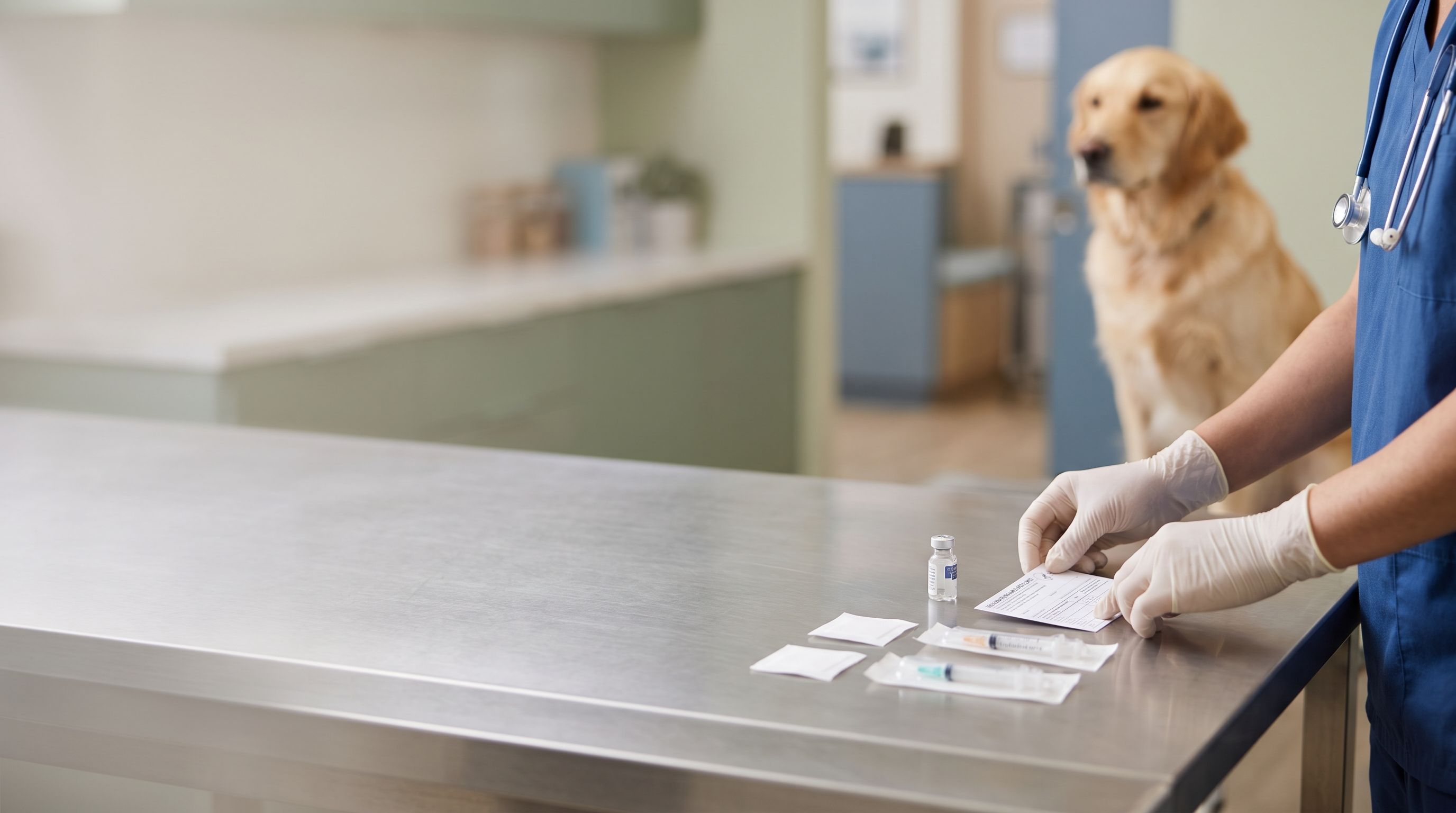
Pet Vaccination Records: What to Keep and Why They Matter
A pet vaccination record should clearly show which vaccines your pet has received, when they were given, who administered them and when the next veterinary review or vaccination may be due. Keeping certificates and vaccination history organised helps your veterinary team understand previous protection, supports continuity of care and can provide evidence of vaccination when required for travel, boarding or other services.
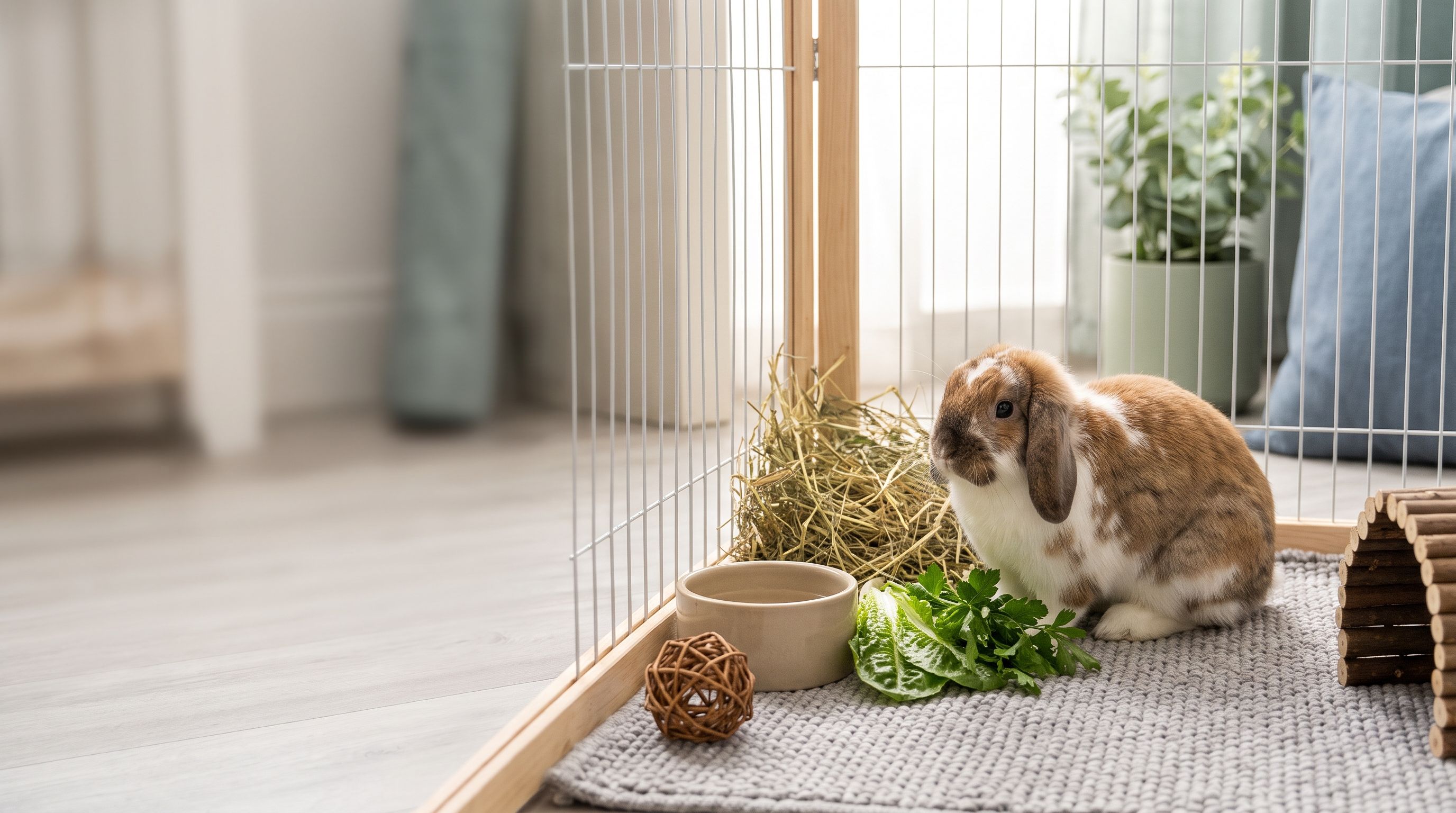
Rabbit Health Checklist: Signs of a Healthy Rabbit
A healthy rabbit should normally have a good appetite, eat plenty of hay, produce regular normal droppings, maintain a stable healthy weight and move, groom and behave normally for that individual. Their eyes and nose should be clear, their coat and skin healthy, their hindquarters clean and dry, and they should show no difficulty eating or moving. Because rabbits often hide illness, changes in appetite, droppings, behaviour, posture, weight or grooming can be important early warning signs. A rabbit that stops eating or produces significantly fewer or no droppings needs prompt veterinary attention.

How Often Should Your Pet See a Vet?
Most healthy pets benefit from regular preventive veterinary care, but there is no single schedule that is right for every animal. AAHA recommends at least an annual veterinary examination for pets generally, while senior animals and pets with chronic health conditions often need more frequent visits. The right schedule depends on species, age, breed, health, lifestyle and environment.
How to Prepare Your Pet for a Vet Appointment
Prepare for a veterinary appointment by gathering your pet’s relevant medical history, current medications, vaccination information and a short list of questions or symptoms you want to discuss. Plan safe transport in advance and tell the clinic beforehand if your pet is particularly fearful, reactive or difficult to handle. For cats and other carrier-trained pets, making the carrier familiar well before the appointment can help reduce stress. Always follow the veterinary practice’s specific instructions about food, medication or preparation for procedures.
Pet Emergency Information: What Every Guardian Should Keep Ready
Every pet guardian should keep a simple emergency profile containing their pet’s identification, primary and emergency veterinary contacts, current medications, important medical conditions, allergies or adverse reactions, microchip details and relevant insurance information. You should also know where your pet would receive out-of-hours care and how you would transport them there. If your pet develops difficulty breathing, becomes unresponsive, has significant trauma, seizures, severe bleeding or another potentially life-threatening problem, contact an emergency veterinary professional immediately.
Preventive Pet Care: A Complete Guide for Pet Guardians
Preventive pet care means protecting your pet’s health before problems become serious. It combines regular veterinary care with appropriate vaccination, parasite management, nutrition, weight and dental care, everyday observation and species-specific husbandry. The right plan depends on your pet’s species, age, health, lifestyle and where they live or travel, so preventive care should always be individual rather than based on a universal checklist.
What Happens During a Routine Veterinary Health Check?
During a routine health check, your veterinarian assesses your pet’s current health and looks for changes that may not yet be obvious at home. The appointment usually combines a discussion about your pet’s health, behaviour and lifestyle with a hands-on physical examination. Depending on the animal, the veterinarian may assess weight and body condition, eyes, mouth, skin, heart and breathing, abdomen, movement and other species-specific areas. They may also review nutrition, vaccinations, parasite prevention, dental or oral health and other preventive needs. Any additional tests or treatments should be recommended according to your individual pet rather than automatically performed at every appointment.
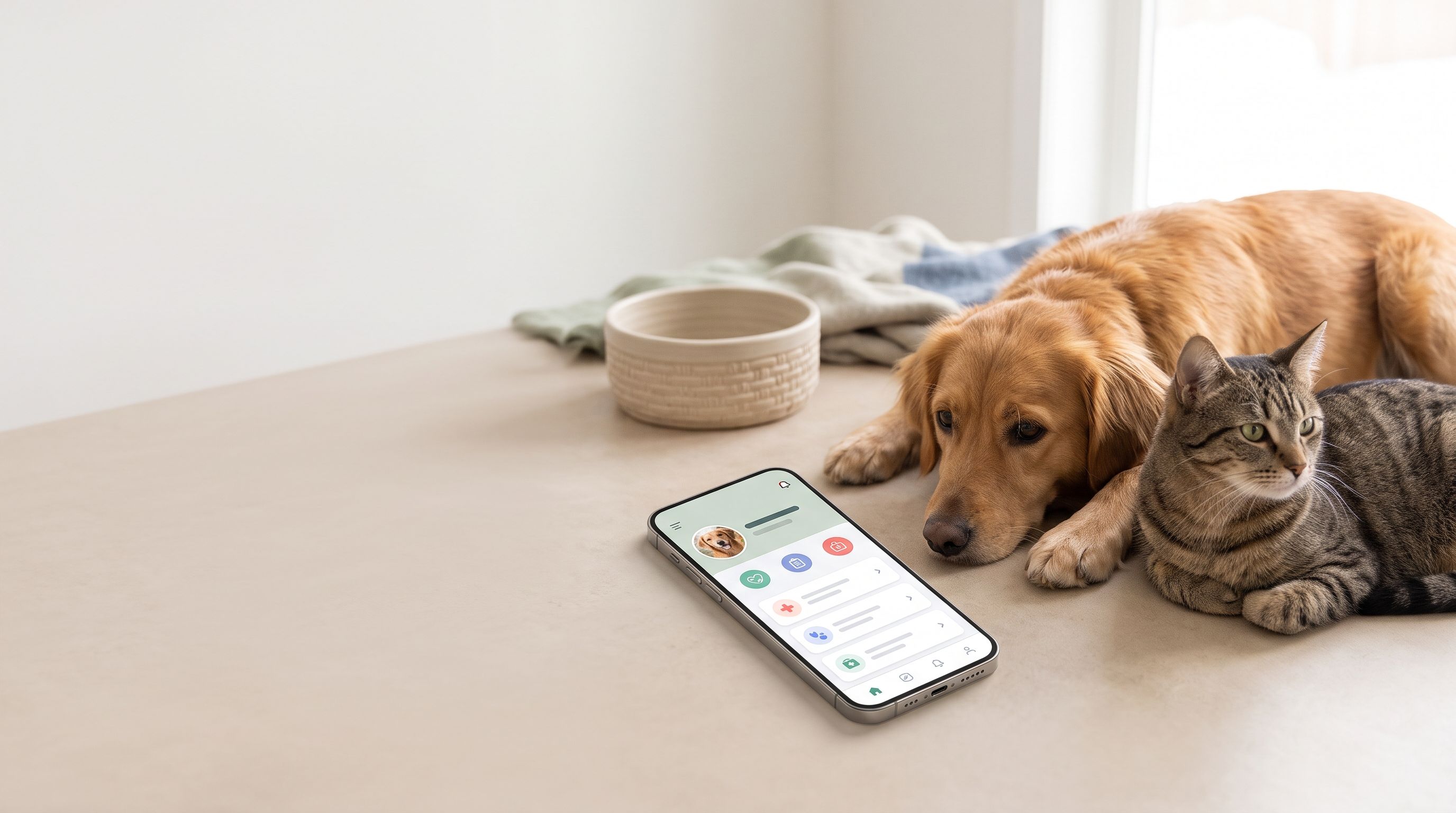
How to Organise Your Pet’s Medical Records
Organise your pet’s medical records by creating one profile for each animal and grouping information into clear categories such as veterinary visits, vaccinations, medications, test results, procedures and identification. Keep important original documents, maintain a simple chronological health timeline and update the record whenever your pet receives significant care.
Pet Health Records: The Complete Guide for Every Pet Guardian
Pet health records create a history of your pet's care. Keeping veterinary visits, vaccinations, medications, test results, allergies, identification details and other important information organised can make it easier to share accurate information with veterinary professionals and manage your pet's care throughout their life.
Rabbit Vaccinations: What Guardians Need to Know
Rabbit vaccination recommendations depend on the country, local disease risk, available vaccines, the rabbit's age and previous vaccination history. In the UK, rabbits are routinely protected against myxomatosis, rabbit viral haemorrhagic disease type 1 (RVHD1) and rabbit viral haemorrhagic disease type 2 (RVHD2). Current UK rabbit-welfare guidance also recommends additional protection against newly recognised highly virulent RVHD2 strains using an additional vaccine alongside the established combined vaccine. Indoor rabbits still need veterinary vaccination advice because these diseases can spread indirectly through insects, contaminated objects, clothing, shoes and contact with infected rabbits or environments.